What should you pack for dental care on a trip?
A travel dental kit is the small set of cleaning tools you take so you can keep your usual home routine while you are away. For adults packing for holidays or work trips, include:
- A soft toothbrush (manual, or your usual electric head and charger if you take one)
- Fluoride toothpaste — a travel-size tube is enough for most short trips if it is the same fluoride paste you use at home
- An interdental cleaner — string floss, flossettes or an interdental brush
- A travel case that lets air reach the bristles when you are not in transit
Healthdirect recommends brushing twice a day with fluoride toothpaste on soft bristles. The Australian Dental Association lists floss, flossettes, interdental brushes and water flossers as options for cleaning between the teeth (teeth.org.au). Better Health Channel likewise points to brushing with fluoride toothpaste and cleaning between the teeth as core daily care (Better Health Channel).
You do not need specialty gadgets for a standard trip. Pack what you already use well. For technique detail, see how to brush your teeth properly and how to floss properly.
How do you keep your twice-daily routine while travelling?
Brush twice a day with fluoride toothpaste for about two minutes, covering the outer, inner and chewing surfaces, even when your schedule shifts across time zones. Healthdirect advises thorough brushing for two minutes twice each day and notes that this reduces your risk of tooth decay (healthdirect).
A change of bed, hotel bathroom or early flight can disrupt habits. Link brushing to fixed anchors such as after breakfast and before bed in local time. Spit out the foam and avoid a water rinse afterwards so fluoride can stay on the teeth longer, which matches Healthdirect advice (healthdirect).
Clean between your teeth at least once a day with your packed floss or interdental brush. The ADA recommends daily interdental cleaning because a toothbrush does not reach those spaces alone (teeth.org.au). If gums bleed a little when you resume flossing after a gap, that is a common finding; keep cleaning between the teeth and see a dentist if bleeding continues.
Sugary snacks and frequent soft drinks on the road add acid challenges for enamel. Sip water between meals when you can, and keep brushing and interdental cleaning in place rather than relying on mouthwash to replace them.
Should a wet toothbrush sit sealed in a case for days?
Rinse the brush after use, shake off excess water, and let it air-dry upright when you can. Avoid leaving a moist toothbrush sealed in a closed case for days between uses.
For travel, a case can protect bristles from luggage and toiletries during transit. Once you arrive, open the case and stand the brush so air can reach it. Do not share toothbrushes. These are practical packing tips, not a clinical standard or a claim that a dry brush is free of microbes.
What if you have pain or swelling away from home?
Toothache or gum swelling away from home still needs assessment. Healthdirect advises seeing a dentist as soon as possible if toothache and gum swelling last more than two days or do not improve with suitable pain-relief medicines, and also if you have fever, trouble swallowing, pain when you bite, a bad taste, or swelling in the cheek or jaw (healthdirect).
Get emergency medical care if toothache or gum swelling causes problems with breathing or speaking, or swelling around your eye or neck (healthdirect). In Australia, call 000 or go to the nearest emergency department for those red flags. Healthdirect’s dental-injury page likewise flags trouble breathing, talking or swallowing, and severe swelling of the mouth or tongue, as reasons for urgent hospital care (healthdirect).
This page does not set treatment protocols. Local dentists, after-hours services or a hospital emergency department can assess you where you are. For first-aid overview at home, read what to do in a dental emergency and our emergency dentist page.
When you are back near Mortlake
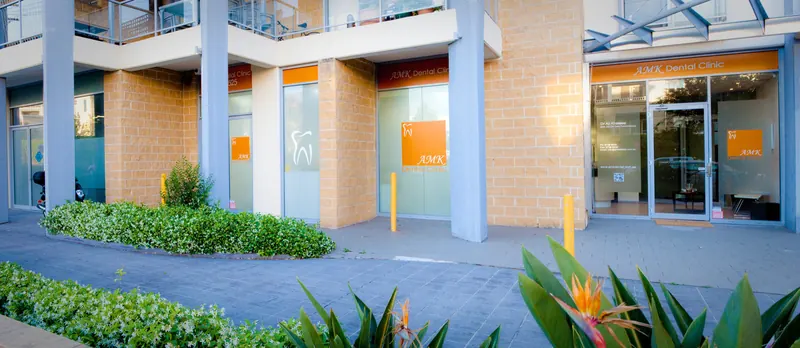
When you return, book follow-up at AMK Dental Clinic if pain, swelling, a cracked tooth or a lost filling still needs care. Call (02) 9739 6525, or use the Contact page for current opening hours and booking options. We do not list holiday or after-hours calendars on this page — always check Contact for hours before you visit.
AMK Dental Clinic
Shop 3, 46 Tennyson Road, Mortlake NSW 2137
(02) 9739 6525
www.amkdental.com.au
If treatment beyond home care is recommended after you are home, you receive an itemised written estimate before anything further goes ahead. This article is general information only and is not a diagnosis or a personal treatment plan.
This article is general information only and is not a substitute for advice about your own situation. Please speak with a dentist about your needs.
Common questions
What should I pack for dental care when travelling?
Pack a soft toothbrush, fluoride toothpaste and an interdental cleaner such as floss, flossettes or an interdental brush. Add a ventilated travel case if you use one, and let the brush dry when you can. Keep the same twice-daily brushing habit you use at home. At AMK Dental Clinic in Mortlake, ask at a check-up if you want packing tips tailored to your mouth. This is general information only.
Should I leave my toothbrush in a sealed travel case while it is wet?
Try not to leave a moist toothbrush sealed in a closed case for days. As a packing tip, rinse after use, shake off water, air-dry upright when you can, and open the case at your destination. Ask your dentist at AMK Dental Clinic if you have questions.
What should I do if I get toothache or facial swelling while away?
Seek local dental care for toothache or gum swelling that lasts more than two days or does not settle with suitable pain relief. Healthdirect says to get emergency medical care for problems breathing or speaking, or swelling around the eye or neck. Call 000 in Australia for those red flags. When you are home near Mortlake, contact AMK Dental Clinic via the Contact page or (02) 9739 6525.