
Why can bottles and sippy cups affect little teeth?
Bottles and sippy cups can bathe baby teeth in sugar or acid for long stretches, which raises the chance of tooth decay when that happens often.
Healthdirect notes that children and even babies can get tooth decay, especially if they drink from bottles containing fizzy drinks, flavoured milk, sports drinks, cordial or fruit juice. When milk or a sugary drink sits on the teeth, bacteria can convert the sugar into acid that dissolves enamel.
The concern is less the cup itself and more what is in it, how often it is sipped, and whether drinks linger overnight. This page is general information only. It does not diagnose your child.
Which drinks raise the chance of decay?
Sweet and acidic drinks raise decay risk when sipped often from a bottle or sippy cup — including juice, cordial, soft drink and flavoured milk.
Dental Health Services Victoria (DHSV) says babies and children do not need sweet drinks, and that breast milk, infant formula, or water from about 6 months, should be the only liquids in a bottle. Never put sweet liquids in a bottle. Raising Children Network likewise advises avoiding sugary drinks such as fruit juice, soft drink and flavoured milk for toddlers.
Frequency matters. Sipping a sugary drink through the day gives teeth less time to recover between acid attacks.
Why is a bedtime bottle a problem?
A bottle of milk, formula or sweet liquid at bedtime can leave sugar against the teeth while saliva is lower during sleep, which is linked with a higher chance of decay.
Healthdirect advises against night bottles with milk or sugary drinks, and says not to let a child fall asleep with a bottle of milk, formula, fruit juice or any sweet liquid (healthdirect). Raising Children Network explains that bottle-feeding in bed can increase decay risk because there is less saliva during sleep to help protect teeth from the sugar in milk (Raising Children Network). DHSV likewise warns against putting a baby to bed with a bottle, because milk can pool against the teeth overnight (DHSV).
Finish the feed before sleep when you can. If night feeds are still needed, ask your maternal child health nurse, GP or dentist how to protect the teeth while they continue.
When should we move toward cups?
Australian guidance commonly suggests introducing a cup from around 6 months and aiming to phase bottles out by about 12 months, moving toward open cups when your child is ready.
DHSV notes that drinking from a cup usually means liquids spend less time against the teeth than prolonged bottle sucking, and suggests cup practice from around 6 months and phasing bottles out by around 12 months (DHSV). Raising Children Network gives the same timing (Raising Children Network).
Canberra Health Services encourages an open cup from around 6 months, aiming to switch fully from bottle to cup at about one year. Sipper and straw cups can be useful steps, while offering an open cup most often.
What everyday habits help?
Everyday habits that help include water as a usual thirst drink when age-appropriate, no sweet drinks in bottles or sippy cups, no bedtime sweet drinks, and brushing once teeth appear.
From about 6 months, DHSV notes babies can have cooled, boiled tap water as well as breast milk or formula, and that fluoridated tap water supports oral health (DHSV). Healthdirect encourages water when thirsty, rather than juice (healthdirect). Most of Sydney’s tap water is fluoridated. Ask before changing infant feeding, especially under 12 months.
Keep juice, cordial, soft drink and flavoured milk out of everyday bottles and cups. For age-by-age toothpaste and brushing, see how to look after your child’s teeth. For teething comfort without added sugar, see teething: what to expect and how to help.
How do check-ups fit in?
Early dental visits help you talk through bottles, cups, diet and cleaning before small problems grow.
Australian guidance supports a first visit when the first teeth appear, or by the first birthday — see what happens at a child’s first dental visit. Eligible families may use the Child Dental Benefits Schedule for some basic care; read our CDBS FAQ for Mortlake families and the Child Dental Benefits Schedule guide. Confirm eligibility with Services Australia or Medicare.
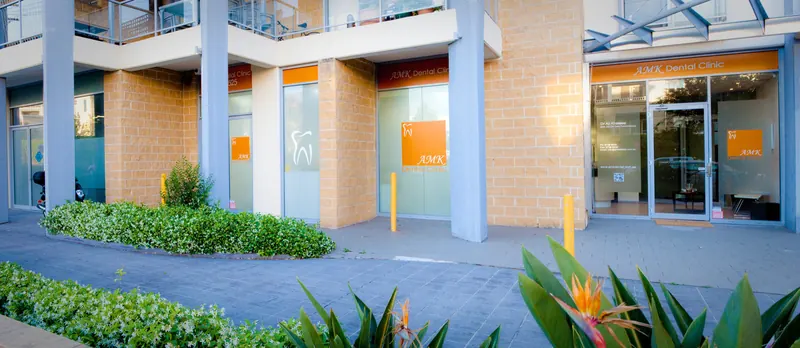
At AMK Dental Clinic, children’s visits sit within our children’s dentistry care. A general dentist can discuss development and home habits such as bottles and cups, and explain further care before it goes ahead.
Book a children’s visit in Mortlake
AMK Dental Clinic is at Shop 3, 46 Tennyson Road, Mortlake NSW 2137, and sees families from Mortlake and nearby suburbs including Breakfast Point, Cabarita and Concord. To discuss bottles, cups and little teeth, call (02) 9739 6525 or use our contact page to book.
This article is general information only. It does not replace advice from your dentist or doctor about your child.
This article is general information only and is not a substitute for advice about your own situation. Please speak with a dentist about your needs.
Common questions
Can milk in a bottle at bedtime harm my child's teeth?
Healthdirect and Raising Children Network both link bedtime bottles of milk, formula or sweet liquids with a higher chance of tooth decay. During sleep there is less saliva to help protect teeth, so sugars can sit against enamel for longer. Put your child to bed without a bottle of milk or sweet drinks, or remove the bottle once the feed is finished. Ask your dentist if you are unsure what fits your child's routine.
When should we stop bottles and start using a cup?
Dental Health Services Victoria and Raising Children Network suggest helping your baby drink from a cup from around 6 months, and aiming to phase bottles out by about 12 months. Canberra Health Services encourages an open cup often, with sipper or straw cups as useful steps along the way. Timing varies between children. Your maternal child health nurse or dentist can help you plan the change.
What should go in a bottle or sippy cup for little kids?
Dental Health Services Victoria advises that breast milk, infant formula, or water from about 6 months, should be the liquids in a bottle, and that sweet drinks do not belong in bottles or sippy cups. After 12 months, plain milk and fluoridated tap water are common everyday options for many toddlers. Juice, cordial, soft drink and flavoured milk raise decay risk when sipped often. Check what suits your child's age with your health professional.