How can acidic drinks affect tooth enamel?
Dental erosion is wear of the outer tooth surface (enamel) when acid softens it and the softened surface is then worn away. Healthdirect explains that contact with acid starts to weaken and soften enamel, and that the softened surfaces are worn away during eating and chewing (healthdirect). Better Health Channel describes the same process as acid wear or erosive tooth wear (Better Health Channel).
Enamel is the hard outer layer of a tooth. Once it is lost, it does not grow back. Habits that limit how long acid sits on the teeth matter for adults who often drink soft drinks, sports drinks, juice or sparkling drinks.
Common external acid sources listed by healthdirect and Better Health Channel include soft drinks (including sugar-free), sports and energy drinks, fruit juices, citrus fruit, vinegar and alcoholic drinks (healthdirect; Better Health Channel). Acid from vomiting or reflux is a separate pathway that needs medical as well as dental advice and is not the focus here.
This page is general information for adults and carers. It is not a personal diagnosis. Only an examination can tell what is happening in your mouth.
Does sipping through the day matter more than drinking with meals?
Yes — frequency and how long acid stays on the teeth matter. Healthdirect notes that frequent sips of acidic drinks increase the time acid contacts your teeth (healthdirect). Better Health Channel advises reducing how often you eat or drink anything acidic, and not leaving it sitting in your mouth for too long (Better Health Channel).
Having an acidic drink with a meal is usually a shorter exposure than sipping the same drink across an afternoon. Between drinks, saliva helps wash and neutralise acid. When sips keep arriving, teeth have less time to recover.
Practical timing points:
- Prefer water between meals rather than soft drink, juice or sports drink
- If you have an acidic drink, finish it rather than nursing it for hours
- Avoid swishing acidic drinks around the mouth
- Better Health Channel advises against adding lemon, lime or citrus to water (Better Health Channel)
Acid wear versus sugar and tooth decay — what is the difference?
Dental erosion and tooth decay are different problems. Healthdirect states that dental erosion is different from tooth decay, which is caused by bacteria (healthdirect).
Acid wear (erosion) is chemical softening and loss of enamel from acids in food, drinks or the stomach. Tooth decay is damage driven by bacteria that feed on sugars and produce acid as a by-product. Some drinks carry both risks: a sugary soft drink is acidic and also supplies sugar bacteria can use. A sugar-free soft drink still contains acid that can soften enamel.
You do not need to diagnose which process is present yourself. Sensitivity, a change in tooth shape, or rough or sharp edges are reasons to book a check-up, not to self-label “erosion” at home. For how sensitivity often links with enamel or gum loss, see teeth sensitivity: common causes.
What habits help when you still want an acidic drink?
You do not have to cut every acidic drink forever to look after enamel. Healthdirect’s prevention list includes limiting acidic foods and drinks, using a straw to limit contact with the teeth, rinsing with water after acid exposure, drinking plain water instead of acid-containing drinks, and regular dental check-ups (healthdirect). Better Health Channel adds drinking fluoridated tap water rather than soft drink or juice, and waiting before you brush (Better Health Channel).
Habits many adults find workable:
- Choose tap water as your default drink through the day
- Keep soft drinks, sports drinks and juice for fewer occasions, and with meals when you do have them
- After an acidic drink, rinse with water (healthdirect also mentions milk or sugar-free gum as options that can help dilute acid)
- Wait at least 30 minutes before brushing after an acidic drink or vomiting, as healthdirect and Better Health Channel advise, because enamel is softer until saliva has had time to help (healthdirect; Better Health Channel)
- Use a soft toothbrush and fluoride toothpaste; brush without pressing hard
- A straw is an optional tip to reduce contact with the teeth — it does not cancel frequent sipping
Mouthwash is optional for most people and does not replace brushing or cleaning between the teeth. See do you need mouthwash? if you are weighing a rinse. Fluoride toothpaste remains the everyday base.
When should you book a check-up about acidic drinks or enamel wear?
Book a dentist if you are concerned about enamel wear, if teeth feel sensitive to heat or cold, or if teeth look shorter, discoloured, chipped or sharper at the edges — signs healthdirect lists with dental erosion (healthdirect). Better Health Channel notes that advanced wear can leave dentine looking yellow and those areas can become sensitive (Better Health Channel).
The Australian Dental Association advises seeing a dentist if a tooth is sensitive to cold, hot or sweet foods or drinks, because that may relate to decay or erosion (teeth.org.au). Regular check-ups also help spot early wear.
At AMK Dental Clinic, a check-up and clean includes questions about diet and drinks when relevant, and an examination of your teeth and gums. If treatment is recommended, you receive an itemised written estimate before anything goes ahead. Results vary between people.
This page is general information only. It is not a personal diagnosis or treatment plan. Your dentist will discuss what is suitable for you.
Booking a check-up in Mortlake
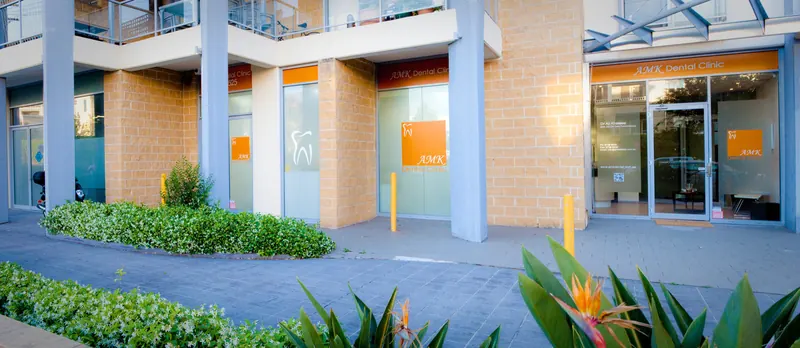
AMK Dental Clinic is at Shop 3, 46 Tennyson Road, Mortlake NSW 2137. We serve patients from Mortlake and nearby suburbs including Breakfast Point, Cabarita, Concord, Rhodes and North Strathfield.
If acidic drinks, enamel wear or sensitivity are on your mind, book online or call (02) 9739 6525. See opening hours on the Contact page.
This article is general information only and is not a substitute for advice about your own situation. Please speak with a dentist about your needs.
Common questions
Can sugar-free soft drinks still affect enamel?
Yes. Soft drinks — including sugar-free ones — are among the acidic drinks healthdirect lists as external sources that can contribute to dental erosion. Acid softens enamel; sugar is a separate pathway linked with tooth decay caused by bacteria. Limiting how often you drink them, rinsing with water afterwards, and waiting before you brush are practical steps. Book a check-up at AMK Dental Clinic in Mortlake if you are concerned about wear or sensitivity.
Should I brush straight after an acidic drink?
No. Healthdirect advises waiting at least 30 minutes before brushing after an acidic drink, because acid softens enamel for a period until saliva helps wash it away. Better Health Channel gives the same timing. While you wait, rinse with water. The Australian Dental Association also advises waiting before brushing after acidic drinks when discussing sensitive teeth. Ask your dentist at AMK Dental Clinic what timing suits you.
Is sparkling water a problem for teeth?
Plain sparkling water is not the same as soft drink or juice, but flavoured or citrus-infused waters and lemon water sipped through the day can keep acid on the teeth. Better Health Channel advises against adding lemon, lime or citrus to water. Prefer plain tap water between meals. If you notice sensitivity or worry about enamel wear, book a check-up at AMK Dental Clinic in Mortlake rather than guessing from home.